

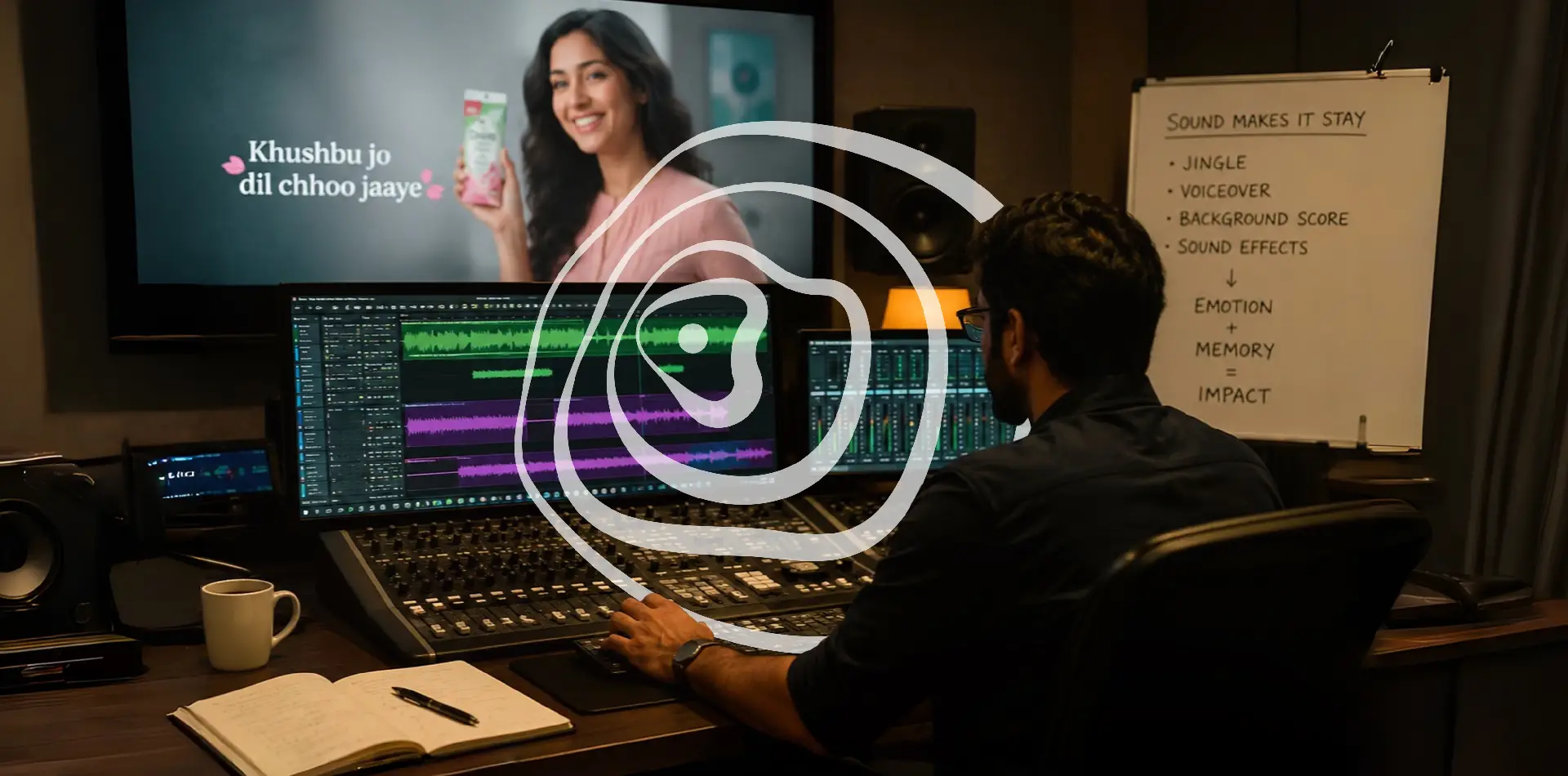
In advertising, visuals often receive the most attention. Stunning cinematography, compelling storytelling, and impressive production design are frequently celebrated as the primary ingredients of successful television commercials. Yet some of the most memorable advertisements in history owe their success not only to what audiences saw, but also to what they heard.
The right soundtrack can instantly evoke emotions. A familiar jingle can bring back memories decades later. A carefully designed sound effect can create anticipation, excitement, or trust within seconds.
This is why sound in TVC ads plays a crucial role in audience engagement and brand recall. While visuals capture attention, sound often creates the emotional connection that makes an advertisement unforgettable.
As brands compete for consumer attention across television, OTT platforms, social media, and mobile devices, understanding the role of music and audio branding has become more important than ever.
Humans process audio differently than visuals. While viewers can look away from a screen, they often continue absorbing audio cues. This gives sound a unique ability to influence emotions, reinforce messages, and strengthen memory.
Successful TVCs combine visual storytelling with carefully crafted audio elements to create a complete sensory experience. Music, voiceovers, ambient sounds, and sound effects work together to guide audience perception and emotional response.
This combination explains how sound enhances TVC ads and why some advertisements remain memorable long after viewers have forgotten the visuals.
Whether it is a luxury automobile commercial, a festive retail campaign, or a global brand film, sound acts as the invisible force that amplifies storytelling and strengthens brand identity.
Music has a profound impact on human psychology. Scientific studies consistently show that music can influence mood, trigger memories, and shape decision-making.
This is why understanding the music psychology in ads is essential for marketers and production teams.
Music Creates Emotional Responses
Different types of music evoke different feelings.
When aligned with a brand message, these emotional responses help viewers connect more deeply with the advertisement.
Tempo Influences Perception
Fast-paced music can make a brand appear energetic and youthful, while slower compositions often communicate sophistication and trust.
Genre Shapes Brand Personality
Music genre significantly influences audience perception.
A luxury brand may use orchestral music to communicate exclusivity. A sports brand may choose high-energy electronic tracks to convey performance and determination.
Music Improves Recall
One of the most important benefits of advertising music is its impact on memory. People often remember melodies more easily than spoken messages.
This explains why music affects ad recall and why many iconic campaigns continue to be associated with specific songs long after the campaign ends.
Sound Design: More Than Just Background Music
Many people assume that audio in commercials simply means background music. In reality, effective sound design in TVCs involves a carefully orchestrated combination of multiple audio elements.
Voiceovers
Voiceovers provide context, guide narratives, and reinforce key messages.
The tone, pacing, and emotion of a voiceover can significantly influence audience perception of a brand.
Ambient Sound
Natural environmental sounds create realism and immersion.
The sound of rain, city traffic, footsteps, or ocean waves can transport audiences into the story and make scenes feel authentic.
Sound Effects
Sound effects help emphasise important moments and guide viewer attention.
A subtle click, swoosh, heartbeat, or impact sound can make visual moments feel more powerful and memorable.
Sonic Branding
Some brands have developed signature sounds that instantly trigger recognition.
For example:
These examples demonstrate how sound effects enhance TVC storytelling while simultaneously strengthening brand recognition.
Signature Jingles and Brand Recall
Before social media and digital advertising existed, jingles were among the most powerful branding tools available.
Even today, TVC jingles remain remarkably effective.
A successful jingle combines three essential elements:
Simplicity
The melody must be easy to remember.
Repetition
Frequent exposure helps audiences associate the tune with the brand.
Emotional Appeal
The music should align with the emotions the brand wants to evoke.
Because music is processed differently from spoken language, memorable jingles often become deeply embedded in consumer memory.
Many consumers can instantly recognise brands from a few seconds of audio without seeing a logo or visual.
This explains how jingles contribute to brand recall and why many global brands continue investing in audio branding despite changing media consumption habits.
Emotional Connection Through Audio
Perhaps the most powerful aspect of sound in advertising is its ability to create emotional connections.
Effective emotional branding through sound goes beyond entertainment. It helps audiences feel something meaningful.
Creating Nostalgia
Music has a unique ability to transport people back to specific moments in their lives.
Brands often use nostalgic soundtracks to create familiarity and emotional warmth.
Building Empathy
Carefully selected music can amplify emotional storytelling and help viewers connect with characters and situations.
Inspiring Aspiration
Epic orchestral scores and uplifting compositions often inspire feelings of possibility, achievement, and ambition.
These emotional responses directly influence consumer perception and behaviour.
When viewers consistently associate positive emotions with a brand, they become more likely to trust it, engage with it, and remain loyal over time.
This demonstrates how sound creates emotional connections in commercials and contributes to long-term brand loyalty.
Today’s advertising environment extends far beyond traditional television.
Consumers now experience content through:
This evolution has transformed multi-platform TVC audio strategies.
Different Devices, Different Experiences
Audio that sounds impressive on a television may not perform equally well on a smartphone speaker.
Production teams must ensure that music, voiceovers, and sound effects remain clear and impactful across multiple devices.
Social Media Adaptations
Short-form content often requires more immediate audio impact.
Social media advertisements frequently use faster pacing, stronger hooks, and simplified audio structures to capture attention quickly.
OTT and Connected TV
Streaming platforms allow brands to maintain cinematic sound quality and longer storytelling formats.
This creates opportunities for more immersive audio experiences compared to traditional broadcast advertising.
Successful advertisers understand that adapting sound for each platform is essential for maintaining effectiveness and audience engagement.
Coca-Cola – “I’d Like to Buy the World a Coke”
One of advertising’s most famous campaigns used music as the central storytelling element.
The song became a cultural phenomenon, significantly enhancing brand recall and emotional resonance while reinforcing Coca-Cola’s message of unity and optimism.
Intel Audio Logo
Intel’s five-note sonic signature is a masterclass in audio branding.
Its consistent use across campaigns created immediate brand recognition and strengthened consumer trust worldwide.
McDonald’s – “I’m Lovin’ It”
Few advertising jingles have achieved the global recognition of McDonald’s iconic audio identity.
The simplicity and repetition of the phrase helped establish a strong emotional and memorable connection with consumers across multiple markets.
These campaigns demonstrate how strategic audio choices can become as valuable as logos or visual identities in building brand equity.
Tips for Creating Memorable TVC Audio
Brands looking to improve their advertising effectiveness should consider the following principles:
Align Music with Brand Personality
The soundtrack should reflect the brand’s values, positioning, and target audience.
Use Audio to Support Storytelling
Sound should enhance the narrative rather than compete with it.
Prioritise Emotional Impact
Choose music that reinforces the intended emotional response.
Test Across Devices
Always evaluate audio performance on televisions, laptops, smartphones, and headphones.
Develop a Signature Sound
A distinctive sonic identity can become a powerful long-term branding asset.
Keep Audio Consistent
Consistency across campaigns strengthens recognition and recall.
Following these TVC audio tips helps brands create stronger emotional connections and improve overall advertising effectiveness.
While visuals often dominate discussions about advertising creativity, sound remains one of the most influential elements in determining whether a campaign is remembered or forgotten.
From cinematic sound design and emotional music to signature jingles and sonic branding, audio plays a vital role in shaping audience perception and strengthening brand identity.
The most successful advertisements combine powerful visuals with carefully crafted audio experiences. Together, they create emotional engagement, improve recall, and build long-term loyalty.
In a world where consumers are exposed to countless marketing messages every day, the brands that master the art of sound will continue to stand out.
Because truly memorable advertising is not just something people see.
It’s something they hear, feel, and remember.