

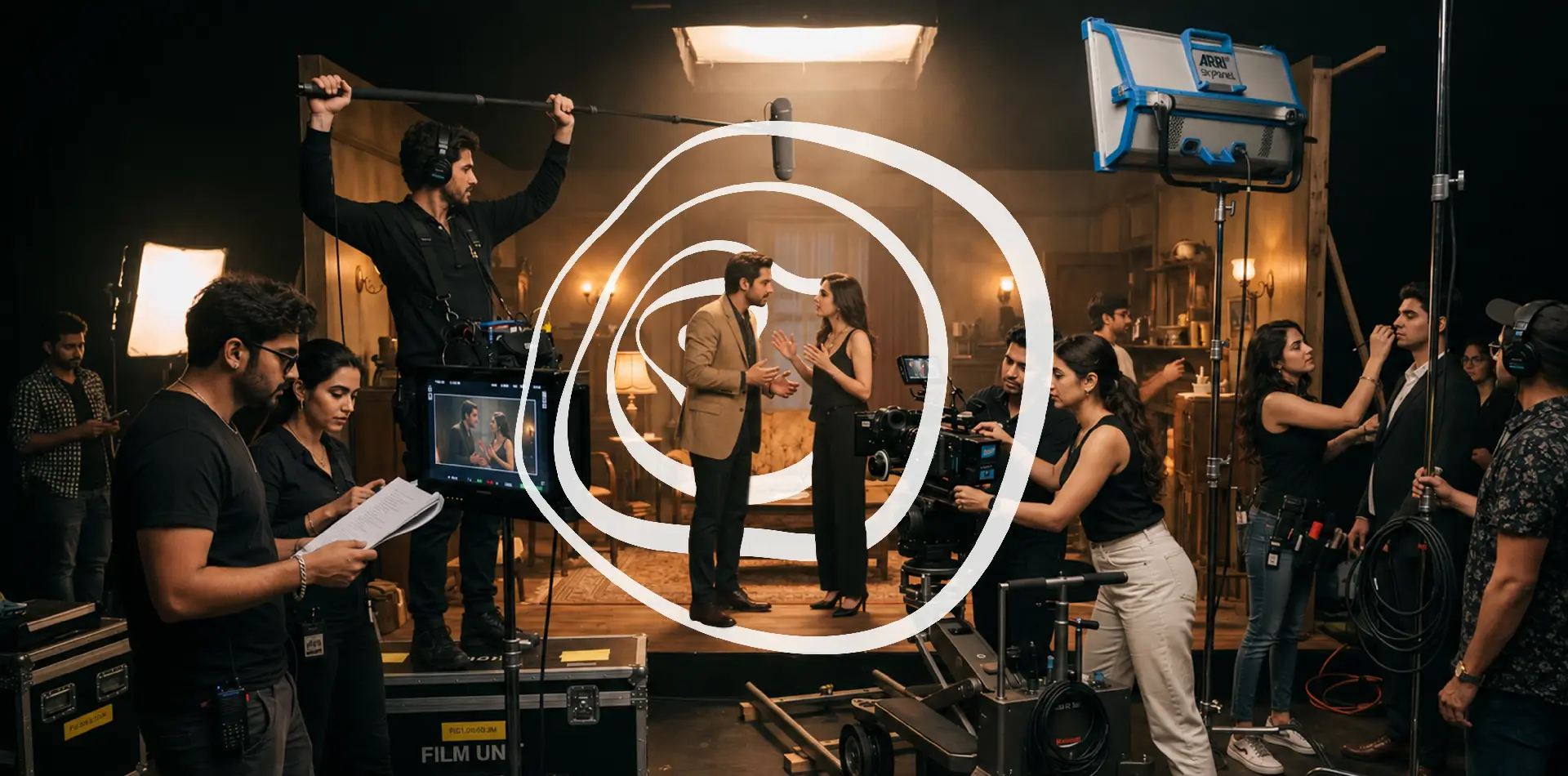
The world of television advertising is undergoing one of its biggest transformations in decades. What once revolved around product promotion, catchy taglines and hard-selling commercials is now evolving into something far more immersive and emotionally engaging. In 2026, brands are no longer simply creating advertisements, they are creating cinematic experiences.
Modern audiences consume content differently than ever before. With the rise of OTT platforms, YouTube culture, reels-driven consumption and connected TVs, people now expect storytelling quality similar to films, web series and premium digital content. As a result, brands are shifting their focus from traditional commercials toward emotionally driven, visually rich, cinematic narratives that feel less like advertisements and more like entertainment.
This major transformation is redefining the future of TVC advertising.
Traditional TV commercials were once built around repetition and visibility. Brands relied heavily on jingles, exaggerated product demonstrations, celebrity appearances and repetitive messaging to stay memorable. However, audience behaviour has changed dramatically.
Today’s consumers are constantly exposed to content across multiple platforms. They scroll through hundreds of videos daily, skip advertisements instantly and have developed a strong resistance toward aggressive promotional communication. Viewers no longer respond positively to ads that interrupt their experience without offering emotional or entertainment value.
Modern audiences now prefer:
Brands are realising that attention can no longer be demanded…it must be earned. This is why the future of modern TVC advertising lies in creating stories that audiences willingly watch, engage with and remember.
One of the biggest TVC advertising trends in 2026 is the rise of cinematic storytelling in advertising.
Brands are now investing heavily in creating commercials that resemble short films rather than traditional advertisements.
Instead of focusing only on product features, modern TVCs are built around:
This approach creates stronger emotional memory and deeper audience connection. People may forget product specifications, but they remember how a story made them feel.
Global brands like Apple, Nike, Coca-Cola and Google have consistently demonstrated how emotional storytelling can build long-term brand loyalty. Their campaigns often focus on human aspirations, relationships, nostalgia and personal triumphs rather than direct product selling.
In 2026, cinematic brand films are no longer optional for premium brands, they are becoming a strategic necessity.
Television advertising is no longer limited to television screens. The rapid growth of OTT advertising trends has fundamentally changed how audiences consume branded content.
Today, ads appear across:
This shift has transformed advertising from mass communication into personalized viewing experiences. Brands can now target audiences based on viewing behaviour, demographics, interests and content preferences.
Connected TV advertising allows brands to deliver cinematic-quality campaigns directly into premium viewing environments. Unlike traditional television, OTT platforms provide greater creative flexibility, longer storytelling formats and data-driven audience targeting.
As a result, modern TVC campaigns are now designed for multiple screens and viewing contexts simultaneously. A single campaign may exist in:
Although Optimist Production House is newly launched, the creative experience behind it is built on years of practical industry exposure.
We have already worked on film production and branded content creation for businesses across industries, helping brands strengthen communication through visual storytelling and cinematic content.
Some of the brands we have collaborated with include Rajyog Paints, Mayur Alankar, DSJ, Mohini and several others.
The nature of projects has been diverse:
For Rajyog Paints, the focus was on emotionally relatable storytelling that connects with everyday consumers while highlighting product quality and trust.
For Mayur Alankar, the visual direction revolved around elegance, emotional heritage, luxury aesthetics and cinematic jewelry storytelling.
Each project demanded a completely different creative language.
That is one of the most exciting aspects of commercial filmmaking, every brand carries its own personality, audience behaviour and communication style.
Successful ad film production is therefore never built through templates.
It is built through understanding.
More importantly, client feedback reinforced our belief that strategic film production creates stronger business impact. When cinematic storytelling aligns with brand positioning, audience engagement improves significantly.
And that is the real purpose of meaningful production.
The rise of Instagram Reels, YouTube Shorts and TikTok-style content has completely reshaped audience attention spans.
Modern viewers decide within seconds whether they want to continue watching content. This has forced advertisers to rethink how TV commercials are structured.
Today’s most effective TVCs:
This shift has introduced the concept of “scroll-stopping storytelling.”
Brands are also creating adaptable campaigns where one cinematic film is repurposed into multiple short-form assets for social media platforms.
A single brand film may generate:
This multi-format strategy ensures wider reach and better engagement across modern digital ecosystems.
Artificial Intelligence is becoming an important part of the advertising ecosystem. AI in TVC production is influencing multiple areas, including:
AI helps improve production efficiency, reduce turnaround times, and streamline repetitive creative tasks. Brands can now analyse audience behaviour more effectively and optimize campaigns in real time.
However, while technology enhances execution, emotional storytelling still depends heavily on human creativity, empathy and cultural understanding.
The most successful advertising campaigns in 2026 combine:
Technological efficiency with Human emotional intelligence
AI can support storytelling, but it cannot replace authentic emotional direction.
Emotional advertising has become one of the strongest drivers of modern brand success.
Consumers today connect more deeply with brands that make them feel understood rather than simply sold to. Emotion-led TVC advertising helps brands move beyond products and become part of people’s memories, identities and lifestyles.
Successful emotional campaigns often revolve around:
Emotion creates stronger:
This is why many of the most successful campaigns in recent years barely focus on product features. Instead, they focus on creating emotionally meaningful experiences.
In 2026, storytelling is becoming the strongest form of branding.
To remain relevant in the evolving advertising landscape, brands must rethink how they approach TVC creation.
Here are some important strategies brands should prioritise:
Focus on Storytelling First
Products should support the story not dominate it.
Build Emotional Relatability
Audiences connect more with human experiences than sales messaging.
Invest in Production Quality
Visual excellence directly impacts brand perception.
Design for Multiple Platforms
Create campaigns adaptable for TV, OTT, reels and mobile screens.
Keep Strong Opening Hooks
Modern audiences decide quickly whether to continue watching.
Prioritise Authenticity
Natural storytelling performs better than exaggerated advertising.
Create Adaptable Content Ecosystems
One campaign should generate multiple content formats across platforms.
Brands that understand these shifts will build stronger audience engagement in the coming years.
The future of TVC advertising is no longer about interruptions it is about immersion.
As audience behaviour continues evolving, brands must move beyond traditional commercials and embrace cinematic storytelling, emotional narratives and visually engaging experiences. Consumers today want stories they can connect with emotionally, culturally and personally.
The brands that succeed in 2026 and beyond will not be the ones shouting the loudest. They will be the ones telling the most meaningful stories.
Modern advertising is no longer just about selling products.
It is about creating emotions, experiences, and unforgettable cinematic moments that audiences genuinely want to watch.